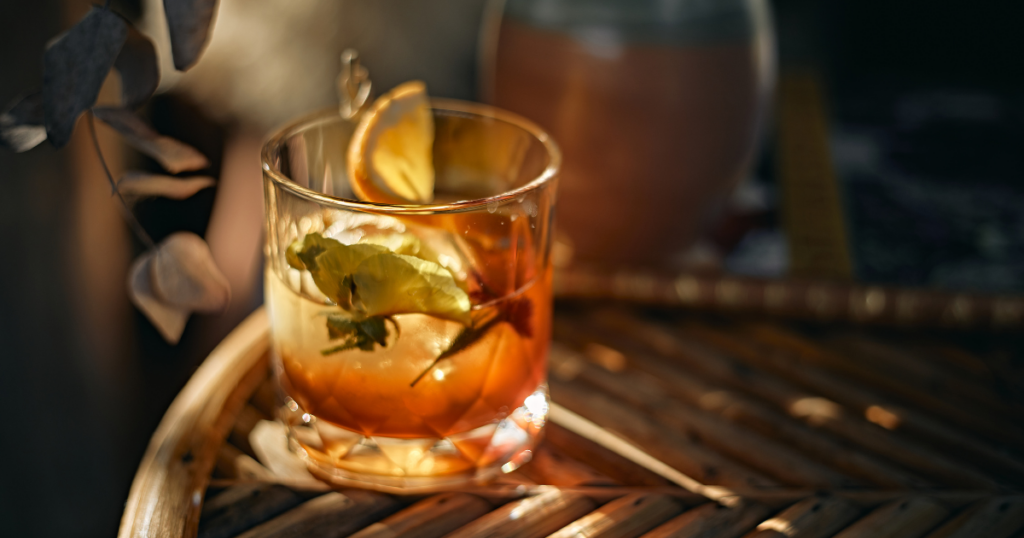
Rum is one of the most versatile spirits for cocktails, offering flavors that range from light and refreshing to rich, complex, and warmly spiced. Whether you’re making a classic mojito, mixing a tropical piña colada, or preparing cocktails for a backyard gathering, choosing the right rum can make a noticeable difference in the finished drink.
Understanding white rum vs. dark rum is an excellent starting point, but spiced rum adds another dimension to the conversation. Each style offers different flavor characteristics, and knowing how they interact with mixers, juices, and other cocktail ingredients can help you create better-balanced drinks.
At Pina Wine & Spirits, we believe choosing premium spirits should be approachable and enjoyable. Whether you’re discovering rum for the first time or expanding your collection of spirits for cocktails, understanding the differences between white, dark, and spiced rum can help you select a bottle that fits your preferences. This guide explores how each style is produced, what it tastes like, and which cocktails benefit from its distinctive characteristics.
What Is the Difference Between White Rum, Dark Rum, and Spiced Rum?
The main differences between white, dark, and spiced rum involve their color, production methods, flavor characteristics, and intended uses. Although these categories are familiar to shoppers, they do not always reveal exactly how a rum was produced or how long it was aged.
White rum is generally clear and often features a lighter, cleaner flavor profile. Dark rum typically offers deeper flavors associated with oak, molasses, caramel, or toasted sugar, although its darker color does not necessarily indicate longer aging. Spiced rum incorporates added spices or flavorings that can introduce notes of vanilla, cinnamon, nutmeg, and other aromatic ingredients.
White Rum vs. Dark Rum vs. Spiced Rum: Quick Comparison
| Feature | White Rum | Dark Rum | Spiced Rum |
| Appearance | Clear or nearly clear | Amber to deep brown | Clear, golden, or dark |
| Typical flavors | Citrus, sugarcane, light sweetness | Caramel, oak, molasses | Vanilla, cinnamon, warm spices |
| Aging | Unaged or aged and filtered | Varies by producer | Varies by base rum |
| Cocktail character | Crisp and refreshing | Rich and full-flavored | Aromatic and spice-forward |
| Common cocktails | Mojito, Daiquiri, Piña Colada | Dark ‘n’ Stormy-style drinks, rum Old Fashioned | Spiced rum and cola, apple cider cocktails |
| Best for | Fresh, citrus-forward drinks | Bold, flavorful drinks | Cocktails emphasizing warm spices |
These characteristics provide general guidance, but individual brands may differ substantially. Rum styles overlap, and labels such as white and dark are often less informative than production details, age statements, and tasting notes.
What Is White Rum?
White rum, sometimes called silver or light rum, is known for its clear appearance and relatively versatile flavor profile. It is commonly associated with cocktails where citrus, fresh herbs, and fruit juices play a prominent role. However, not every white rum is mild or unaged, and some expressions offer surprisingly complex aromas.
Rum begins with fermented sugarcane-derived ingredients, such as molasses or sugarcane juice. After distillation, the spirit may be bottled relatively young or matured in barrels before filtration removes much of its color. This means a clear rum can still carry flavors developed through oak maturation.
What Does White Rum Taste Like?
White rum frequently features subtle sugarcane sweetness, citrus, vanilla, and delicate fruity or grassy notes. Lighter expressions can provide a clean foundation for mixed drinks, while more characterful styles may contribute noticeable tropical fruit or earthy aromas.
Its adaptability makes white rum particularly useful in cocktails that rely on fresh ingredients. Lime, mint, pineapple, coconut, and sparkling mixers can complement the rum without requiring a heavy oak influence.
Best Cocktails for White Rum
White rum is a familiar choice for mojitos, traditional daiquiris, and many piña colada recipes. In a mojito, its light profile complements mint, lime, and soda water, creating a refreshing drink with a balanced combination of citrus and sweetness.
A classic daiquiri combines rum, fresh lime juice, and sugar, making the quality and character of the rum especially noticeable. White rum also works well in coconut-based tropical drinks because it allows pineapple and coconut flavors to remain prominent.
What Is Dark Rum?
Dark rum is generally recognized by its amber, brown, or nearly black appearance. Many dark rums develop complex flavors through barrel aging, although producers may also use permitted coloring ingredients to achieve a consistent appearance. As a result, darker color should not be treated as reliable proof of greater age or quality.
The production of dark rum varies considerably across regions and distilleries. Some expressions emphasize long maturation in oak barrels, while others are blended to produce a particular flavor profile. Understanding the producer’s methods provides better insight than relying exclusively on appearance.
What Does Dark Rum Taste Like?
Dark rum often features flavors reminiscent of caramel, molasses, toasted sugar, dried fruit, vanilla, and oak. Certain expressions also offer chocolate, coffee, baking spice, or smoky characteristics, depending on their production and maturation.
These deeper flavors can give cocktails additional richness, particularly when paired with ginger, citrus, bitters, or ingredients that complement darker sugar notes. However, not all dark rums are sweet, and some feature a relatively dry, oak-driven character.
Best Cocktails for Dark Rum
Dark rum is well suited to cocktails where a more pronounced spirit flavor is desirable. A rum Old Fashioned, for example, can highlight notes of vanilla, oak, and caramel when combined with bitters and a modest amount of sweetener.
Dark rum can also work particularly well with ginger beer and fresh lime in drinks inspired by the Dark ‘n’ Stormy. The officially trademarked Dark ‘n’ Stormy is associated with Goslings Black Seal Rum, while similar drinks made with other rums are best described more generally as dark rum and ginger beer cocktails.
What Is Spiced Rum?
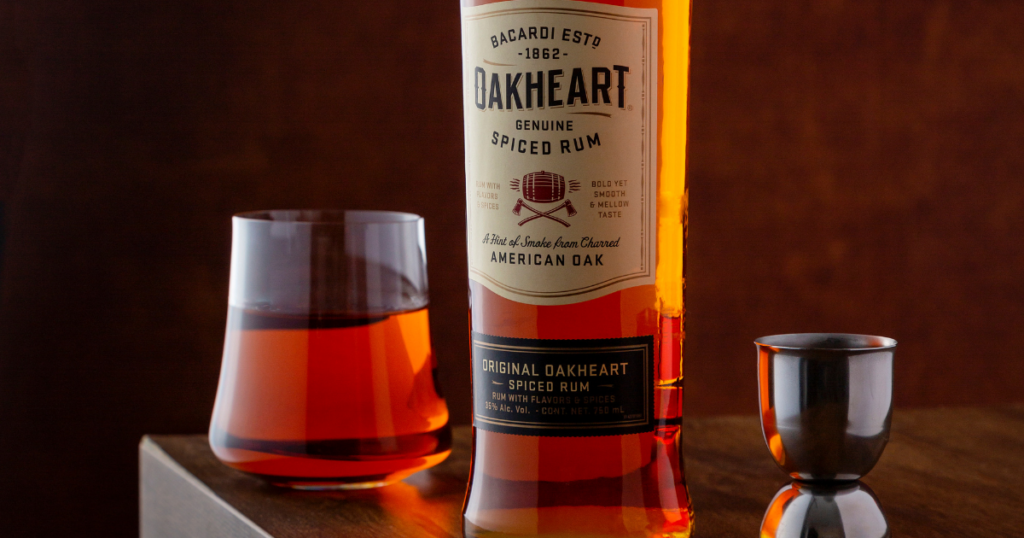
Spiced rum is made by adding flavoring ingredients to a rum base, creating distinctive aromatic profiles that may include vanilla, cinnamon, nutmeg, cloves, or citrus. Some producers emphasize warm baking spices, while others develop tropical or fruit-forward combinations.
Unlike white and dark rum, which primarily describe appearance, spiced rum identifies an approach involving added flavorings. In the United States, these products require labeling that accurately describes their composition. For example, a product marketed as spiced rum may also carry a statement identifying it as rum with natural flavors added.
What Does Spiced Rum Taste Like?
Spiced rum often features vanilla, cinnamon, brown sugar, clove, and nutmeg characteristics. Depending on the product, these flavors may be subtle or pronounced, and the base rum may contribute additional oak, caramel, or fruit notes.
Some spiced rums contain added sweetening, while others emphasize aromatic spices without substantial sweetness. Reading the label and producer tasting notes can help determine whether a particular expression is suited to sweeter mixed drinks or more balanced cocktails.
Best Cocktails for Spiced Rum
Spiced rum pairs naturally with cola, ginger ale, apple cider, and tropical fruit juices. Its vanilla and cinnamon characteristics can complement familiar mixers while adding a distinctive aromatic quality.
For cooler-weather gatherings, spiced rum can also work in apple-based cocktails that incorporate cinnamon, citrus, and warming spices. These combinations make it a versatile option when selecting spirits for cocktails with seasonal ingredients.
Which Rum Is Best for Popular Cocktails?
Choosing the best rum depends on the ingredients and flavor balance of the cocktail rather than following one universal rule. Traditional recipes provide a useful starting point, but experimenting with different rum styles can reveal combinations that better match individual preferences.
| Cocktail | Recommended rum | Why it works |
| Mojito | White rum | Complements mint and lime |
| Classic Daiquiri | White rum | Highlights citrus and rum character |
| Piña Colada | White rum or a rum blend | Balances coconut and pineapple |
| Rum Old Fashioned | Matured dark or amber rum | Brings oak and caramel notes |
| Dark rum and ginger beer | Dark rum | Adds richness against ginger |
| Rum and cola | White, dark, or spiced rum | Offers different flavor combinations |
| Tropical punch | White and dark rum blend | Combines freshness and depth |
For home bartenders, one practical approach is to begin with a versatile white rum before exploring darker and flavored expressions. Understanding how each style changes a familiar cocktail can make it easier to select premium spirits without purchasing bottles that serve nearly identical purposes.
Does Darker Rum Mean Better Quality?
A common misconception is that darker rum must be older, smoother, or more expensive than white rum. Although some dark rums spend significant time aging in oak, color can also be influenced by filtration, blending, and permitted coloring practices.
The Alcohol and Tobacco Tax and Trade Bureau establishes standards for rum and distilled spirits labeling in the United States. These requirements help ensure products are identified appropriately, but color alone is not a standardized measurement of age or quality.
When evaluating premium rum, consider the producer, production method, barrel maturation, alcohol strength, and intended cocktail application. A well-made white rum can be more suitable for a daiquiri than an expensive aged expression, just as a flavorful dark rum may perform better in an oak-forward cocktail.
How to Choose Rum for Parties and Events
Selecting liquor for events becomes easier when you consider the drinks guests are most likely to enjoy. Instead of purchasing several bottles with similar characteristics, choosing a small range of complementary rum styles can provide greater cocktail flexibility.
White rum is a practical starting point for tropical drinks, citrus-based cocktails, and refreshing mixed beverages. Dark rum offers an alternative for guests who prefer richer flavors, while spiced rum can provide additional variety for simple mixed drinks and seasonal cocktail options.
When planning a wedding, celebration, or corporate gathering, consider the event’s beverage menu, guest preferences, nonalcoholic alternatives, and available mixing ingredients. Choosing spirits based on the planned menu helps avoid unnecessary purchases while ensuring the selected bottles work well together.
For larger events, asking a knowledgeable liquor retailer about bottle sizes, product options, and purchasing requirements can simplify the planning process. Pina Wine & Spirits serves customers across the Kansas City area with a selection of spirits and options for different budgets and occasions.
Discover Premium Rum and Cocktail Spirits at Pina Wine & Spirits
Whether you’re looking for white rum for a refreshing mojito, dark rum for a richer cocktail, or spiced rum for a simple mixed drink, choosing the right bottle starts with understanding your preferences. At Pina Wine & Spirits, we offer a broad selection of wine, beer, liquor, and premium spirits at competitive prices.
Our team can help customers compare flavor profiles, identify spirits for cocktails, and explore suitable options for everyday gatherings and special occasions. We focus on making the shopping experience straightforward, with approachable guidance and a selection that accommodates different tastes and budgets.
Pina Wine & Spirits serves Kansas City, Liberty, Lee’s Summit, Raymore, Grandview, Lake Lotawana, Odessa, Excelsior Springs, and surrounding Missouri communities. Individual rum brands and expressions vary by store, so contacting your preferred location is recommended when searching for a particular bottle.
Frequently Asked Questions About White, Dark, and Spiced Rum
What is the main difference between white rum and dark rum?
White rum is generally clear and often has a lighter flavor profile, while dark rum typically features deeper colors and may offer richer oak, caramel, or molasses characteristics. However, white rum can be aged and filtered, while dark rum may contain coloring ingredients. Color alone does not reliably indicate age, sweetness, or quality.
Is spiced rum the same as dark rum?
No. Spiced rum contains added spices or flavorings, while dark rum is a descriptive term generally associated with the spirit’s appearance and flavor profile. Some spiced rums are dark, but not every dark rum is spiced.
Which rum is best for a piña colada?
White rum is a popular choice for piña coladas because its relatively light character complements coconut cream and pineapple juice. Some recipes combine white and aged rum for additional depth. The preferred option depends on the desired balance between fresh tropical flavors and richer rum characteristics.
Can dark rum replace white rum in cocktails?
Yes, but the substitution can noticeably change the drink’s flavor. Dark rum may introduce oak, caramel, molasses, or baking spice characteristics that alter the balance of citrus and sweetness. These changes can be enjoyable, although the result may differ from a traditional recipe.
Which rum is best for beginners?
White rum is often a practical starting point because it works in many familiar cocktails, including mojitos and daiquiris. Dark rum may appeal to people who enjoy oak and caramel flavors, while spiced rum can suit those who prefer vanilla and warm spices. Personal taste and intended cocktail use are more important than any single recommendation.
Find the Right Rum for Your Next Cocktail at Pina Wine & Spirits
Understanding white rum vs. dark rum vs. spiced rum makes it easier to select spirits that complement your favorite cocktails. White rum typically offers a clean foundation for citrus and tropical ingredients, dark rum can introduce deeper oak and caramel notes, and spiced rum provides aromatic flavors that work well with familiar mixers.
Each style offers something different, and the best choice depends on the drink you’re preparing and the flavors you enjoy. By considering production methods, tasting notes, and cocktail ingredients, you can make more informed decisions when exploring premium spirits.
At Pina Wine & Spirits, we’re here to help Kansas City area customers discover quality spirits for cocktails, parties, and everyday occasions. Visit one of our Missouri locations or explore Pina Wine & Spirits to find a store near you and learn more about our available selections.