Sparkling wine adds something special to celebrations, whether you’re planning a wedding, hosting a holiday dinner, celebrating an anniversary, or enjoying an evening with friends. From the elegance of Champagne to the refreshing fruitiness of Prosecco and the traditional craftsmanship of Cava, each sparkling wine offers a different experience.
Understanding Champagne vs. Prosecco vs. Cava can help you choose a bottle that matches your preferences, occasion, and budget. Although all three produce the bubbles that make sparkling wine distinctive, they differ in origin, grape varieties, production methods, flavors, and overall character.
At Pina Wine & Spirits, we believe choosing wine should be enjoyable rather than complicated. Whether you’re searching for Champagne for celebrations, exploring affordable sparkling wines, or comparing options for a special dinner, understanding these differences makes selecting the right bottle easier. This guide explains what makes each sparkling wine unique, how they taste, and which occasions and food pairings suit them best.
What Is the Difference Between Champagne, Prosecco, and Cava?
The biggest differences between Champagne, Prosecco, and Cava involve where they are produced and how their bubbles are created. Champagne comes from a legally defined region of France, Prosecco is associated with designated wine-producing areas of northeastern Italy, and Cava is a Spanish sparkling wine produced in authorized regions.
Champagne and Cava generally use the traditional method, in which secondary fermentation takes place inside the bottle. Prosecco is typically produced using the Martinotti-Charmat method, where secondary fermentation occurs in pressurized tanks. These approaches influence the wines’ aromas, textures, and flavor characteristics.
Champagne vs. Prosecco vs. Cava: Quick Comparison
| Feature | Champagne | Prosecco | Cava |
| Country | France | Italy | Spain |
| Main grapes | Chardonnay, Pinot Noir, Meunier | Glera | Macabeo, Xarel·lo, Parellada |
| Production | Traditional method | Usually tank method | Traditional method |
| Typical taste | Citrus, apple, toast, brioche | Pear, peach, apple, flowers | Citrus, apple, almond, toast |
| Acidity | Usually high | Medium-high to high | Usually high |
| General character | Layered and refined | Fresh and fruit-forward | Crisp and structured |
| Typical price positioning | Often premium | Often approachable | Often strong value |
| Common occasions | Weddings, milestones, formal dinners | Brunch, parties, casual celebrations | Dinner parties, receptions, food pairings |
These comparisons reflect common styles rather than strict rules. Every category includes wines with different sweetness levels, quality tiers, and flavor profiles.
What Is Champagne?
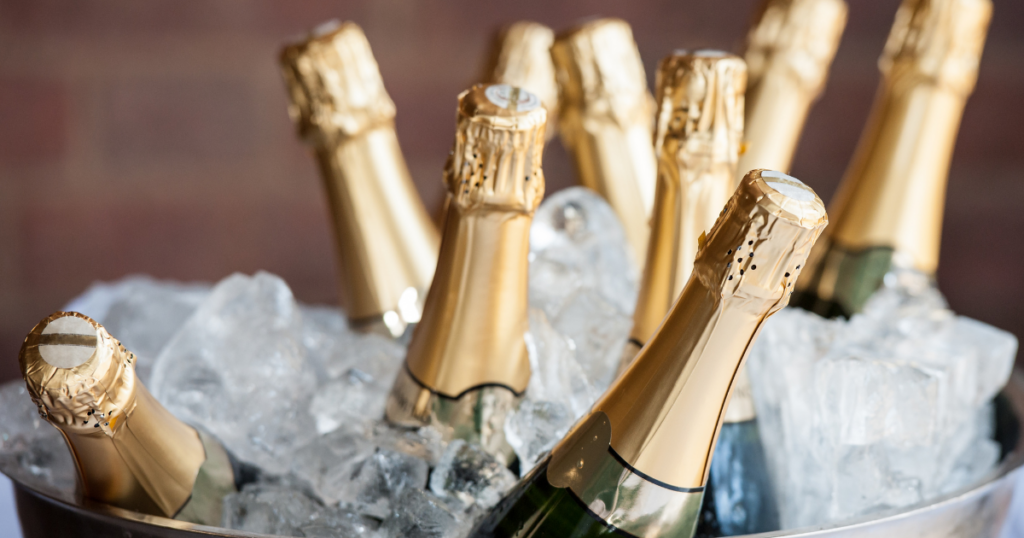
Champagne is a sparkling wine produced within the designated Champagne region of northeastern France. The name is protected through an appellation system that establishes requirements for grape growing, production, and maturation. This means sparkling wine produced elsewhere cannot simply be called Champagne under the applicable protected designation rules.
Champagne is commonly made using Chardonnay, Pinot Noir, and Meunier grapes, although additional authorized varieties exist. These grapes contribute different characteristics, helping winemakers create balanced wines with freshness, structure, and complexity.
One distinguishing feature of Champagne is its traditional production method. After initial fermentation, the wine undergoes a second fermentation inside the bottle, producing carbonation naturally. Extended contact with yeast sediment, known as lees, can contribute flavors reminiscent of bread, toast, and brioche.
Non-vintage Champagne must undergo at least 15 months of cellar aging, while vintage Champagne requires at least 36 months under its appellation specifications.
What Does Champagne Taste Like?
Champagne commonly features flavors of lemon, green apple, pear, citrus zest, and toasted bread. Depending on the grapes, aging, and winemaking techniques, some expressions develop additional notes of almond, hazelnut, cream, or baked pastry.
Its refreshing acidity and layered flavors make Champagne particularly versatile with food. While some bottles emphasize crisp citrus and mineral-like characteristics, others offer richer textures and pronounced yeast-derived aromas.
When Should You Choose Champagne?
Champagne is a natural option for milestone celebrations, anniversaries, weddings, and formal dinners. Its traditional craftsmanship and historical association with special occasions make it a familiar choice when the moment calls for something distinctive.
However, Champagne is not reserved exclusively for major celebrations. Its acidity and complexity also make it an interesting wine for dinner, especially when paired with seafood, cheeses, or carefully prepared appetizers.
What Is Prosecco?
Prosecco is a sparkling wine produced in designated areas of northeastern Italy, primarily from Glera grapes. It is known for fresh fruit aromas, approachable flavors, and a lively character that makes it suitable for numerous occasions.
Most Prosecco is produced using the Martinotti-Charmat method. Instead of completing secondary fermentation in individual bottles, winemakers use sealed, pressurized tanks that capture the carbon dioxide responsible for the wine’s bubbles.
This approach helps preserve the grape’s natural fruit and floral aromas. The Prosecco DOC consortium identifies green apple, pear, citrus, and white flowers among the wine’s characteristic aromas.
What Does Prosecco Taste Like?
Prosecco generally features flavors reminiscent of green apple, ripe pear, peach, and citrus. Floral notes can also contribute to its refreshing character, particularly in expressions that emphasize freshness rather than extended maturation.
Compared with many traditional-method sparkling wines, Prosecco often tastes more fruit-forward and less yeasty. Its bubbles and acidity create a lively sensation, although individual bottles differ in texture, intensity, and sweetness.
When Should You Choose Prosecco?
Prosecco is particularly popular for brunches, casual celebrations, outdoor gatherings, and sparkling wine cocktails. Its fresh flavor profile complements fruit-based dishes and lighter appetizers without overwhelming them.
It is also a familiar ingredient in cocktails such as the Aperol Spritz and Bellini. Because many Prosecco expressions are available at approachable prices, it can be a practical option when planning gatherings with multiple guests.
What Is Cava?
Cava is a Spanish sparkling wine commonly associated with Catalonia, although its protected designation includes other authorized production areas. Like Champagne, Cava uses the traditional method, allowing secondary fermentation to take place inside the bottle.
Traditional Cava grape varieties include Macabeo, Xarel·lo, and Parellada. These grapes contribute different elements of freshness, structure, and aromatic complexity, although additional varieties may be permitted.
Cava must spend at least nine months aging on its lees, with longer requirements for certain premium categories. This maturation can produce more developed flavors while preserving the lively acidity associated with sparkling wine.
What Does Cava Taste Like?
Cava often displays notes of green apple, lemon, pear, almond, and toasted bread. Younger expressions tend to emphasize fresh fruit and citrus, while wines with extended lees aging may develop richer aromas of pastry, nuts, and baked apple.
Because Cava uses the traditional method, it can share some flavor characteristics with Champagne. However, different grapes, growing conditions, and production decisions create a distinct Spanish sparkling wine identity.
When Should You Choose Cava?
Cava is an appealing option for dinner parties, receptions, and celebrations where guests appreciate dry, crisp sparkling wine. Its combination of acidity and savory complexity makes it especially versatile with appetizers and food.
For shoppers interested in traditional-method sparkling wine without automatically choosing Champagne, Cava can offer excellent value. Price and quality vary by producer, but its production style makes it worth considering when comparing sparkling wines for special occasions.
Which Sparkling Wine Is Sweeter: Champagne, Prosecco, or Cava?
Sweetness is an important consideration when comparing sparkling wines, especially because fruit aromas do not always indicate residual sugar. Champagne, Prosecco, and Cava are available in different sweetness levels, making it possible to find dry or sweeter expressions within each category.
A wine labeled Brut is generally dry, while Extra Dry Prosecco actually contains more residual sugar than Brut Prosecco. This distinction can be confusing because the term “Extra Dry” sounds as though it should describe the driest option. For those who prefer particularly dry sparkling wine, Brut Nature and Extra Brut are useful terms to recognize.
Reading the sweetness designation is more reliable than assuming Champagne is always dry or Prosecco is always sweet. Acidity, fruit intensity, and serving temperature also influence how sweet a wine tastes.
Best Food Pairings for Champagne, Prosecco, and Cava
Sparkling wine is surprisingly versatile with food because its acidity and carbonation can refresh the palate between bites. The best pairing depends on the wine’s body, sweetness, and flavor intensity, along with the ingredients and preparation of the meal.
Best Foods to Pair With Champagne
Champagne pairs beautifully with oysters, shrimp, smoked salmon, soft cheeses, and roasted poultry. Its acidity complements richer textures, while the toasty characteristics of mature Champagne can enhance buttery pastries, mushrooms, and savory dishes.
Best Foods to Pair With Prosecco
Prosecco complements fresh fruit, light salads, mild cheeses, seafood appetizers, and brunch dishes. Its floral and fruit-forward characteristics work particularly well with foods that are fresh, lightly seasoned, or subtly sweet.
Best Foods to Pair With Cava
Cava is an excellent companion for Spanish tapas, olives, almonds, grilled seafood, and cured meats. Its refreshing acidity and occasional toasted notes make it suitable for both light appetizers and more substantial savory dishes.
| Food or occasion | Recommended sparkling wine |
| Oysters and seafood | Champagne or Cava |
| Brunch and fresh fruit | Prosecco |
| Spanish tapas | Cava |
| Wedding toast | Any of the three |
| Cheese and appetizers | Champagne or Cava |
| Sparkling cocktails | Prosecco |
| Formal dinner | Champagne or aged Cava |
These recommendations are starting points rather than strict rules. A dry Prosecco can complement seafood beautifully, while a rich Cava may be an excellent alternative to Champagne at dinner.
Which Sparkling Wine Is Best for Weddings and Celebrations?
Choosing Champagne for celebrations is a popular tradition, but Prosecco and Cava can also be excellent options for weddings, anniversaries, birthdays, and holiday parties. The right choice depends on the event’s atmosphere, food menu, guest preferences, and beverage budget.
Champagne may appeal to couples planning a formal wedding or hosts celebrating an important milestone. Prosecco offers a refreshing, approachable option for larger gatherings, particularly when guests enjoy lighter sparkling wines. Cava provides another possibility for those who appreciate traditional-method production and want to explore different price points.
When purchasing sparkling wine for an event, consider whether it will be served exclusively for a toast or throughout the celebration. The required quantities can differ considerably, and choosing more than one style may accommodate a wider range of preferences.
How to Serve and Store Sparkling Wine
Champagne, Prosecco, and Cava are generally best enjoyed chilled, typically around 43 to 50 degrees Fahrenheit, depending on their style and complexity. Lighter sparkling wines often benefit from cooler temperatures, while mature Champagne or Cava may reveal additional aromas when served slightly warmer.
A tulip-shaped sparkling wine glass can help preserve bubbles while providing room for aromas to develop. Although traditional flutes are popular, slightly wider glasses may make it easier to appreciate the differences between fruit-forward and aged sparkling wines.
Before opening a bottle, ensure it is properly chilled and handle it carefully. Keep the cork pointed away from people, maintain control of the cork while loosening the wire cage, and gently rotate the bottle to release pressure gradually. Unopened bottles should be stored away from heat, direct sunlight, and significant temperature fluctuations.
Find Champagne and Sparkling Wine in Kansas City at Pina Wine & Spirits
Whether you’re searching for Champagne for a milestone celebration, Prosecco for brunch, or Cava for a dinner party, selecting the right sparkling wine becomes easier when you understand the differences.
At Pina Wine & Spirits, we offer a broad wine selection, including sparkling wines and other options for dinners, celebrations, and special occasions. Our team can help customers compare styles, explore different price ranges, and consider wines that complement their plans.
Customers searching for a Champagne store near me or wondering where to buy Champagne near me can explore Pina Wine & Spirits locations throughout Kansas City, Liberty, Lee’s Summit, Raymore, Grandview, Lake Lotawana, Odessa, and Excelsior Springs. Individual brands, vintages, and sparkling wine selections vary by location, so contacting your preferred store is recommended when searching for a specific bottle.
Frequently Asked Questions About Champagne vs. Prosecco vs. Cava
Is Champagne better than Prosecco or Cava?
Not necessarily. Champagne is often associated with more complex, aged flavors, while Prosecco typically emphasizes fresh fruit and Cava offers a traditional-method alternative. The best sparkling wine depends on your preferences, occasion, and budget rather than its reputation alone.
Is Prosecco sweeter than Champagne?
Prosecco can taste fruitier, but it is not automatically sweeter. Both Champagne and Prosecco are available in different sweetness categories, including Brut. Check the bottle’s sweetness designation when comparing options.
Is Cava made the same way as Champagne?
Both Cava and Champagne use the traditional method, which involves secondary fermentation inside the bottle. However, they differ in origin, grape varieties, aging requirements, and regional winemaking traditions.
Which sparkling wine is best for a wedding toast?
Champagne, Prosecco, and Cava can all be appropriate for a wedding toast. Champagne offers a traditional celebratory experience, while Prosecco and Cava provide alternatives at different price points. Guest preferences and the event budget should guide the selection.
Where can I buy Champagne and sparkling wine in Kansas City?
Pina Wine & Spirits offers wine and premium spirits at locations throughout the Kansas City area. Customers can visit their nearest location or contact the store to ask about available Champagne, Prosecco, Cava, and other sparkling wines.
Discover the Right Sparkling Wine at Pina Wine & Spirits
Understanding Champagne vs. Prosecco vs. Cava makes choosing sparkling wine easier, whether you’re celebrating a milestone or selecting something special for dinner. Champagne offers traditional craftsmanship and layered complexity, Prosecco emphasizes refreshing fruit and floral aromas, and Cava combines traditional-method production with distinctive Spanish character.
Each sparkling wine offers something worthwhile, and no single style is automatically the best choice for every occasion. Flavor preferences, food pairings, sweetness levels, and budget all contribute to finding the right bottle.
At Pina Wine & Spirits, we’re here to help Kansas City area customers explore fine wines and sparkling wines for celebrations, gatherings, and everyday occasions. Visit one of our Missouri locations or explore Pina Wine & Spirits to find your nearest store and discover our wine selection.