Craft beer offers an incredible variety of flavors, from bright, citrus-forward IPAs to smooth lagers, rich stouts, and refreshing wheat beers. However, even a carefully brewed beer can lose the characteristics that make it special if it is stored improperly or kept too long. Understanding beer freshness can make a noticeable difference in the quality of every pour.
One of the most common questions among beer enthusiasts is the shelf life of craft beer and how long it stays fresh. The answer depends on several factors, including the beer style, packaging method, storage temperature, and the amount of oxygen or light the beer encounters. Some beers are designed to be enjoyed as fresh as possible, while others can develop interesting flavors over time.
At Pina Wine & Spirits, we believe choosing quality beer should be straightforward and enjoyable. Whether you’re exploring Missouri craft beer, stocking up for a gathering, or checking a can that’s been sitting in your refrigerator, understanding craft beer shelf life can help you make informed decisions. This guide explains freshness dates, storage practices, common signs of aging, and how to get the best experience from your favorite local beer.
How Long Does Craft Beer Last?
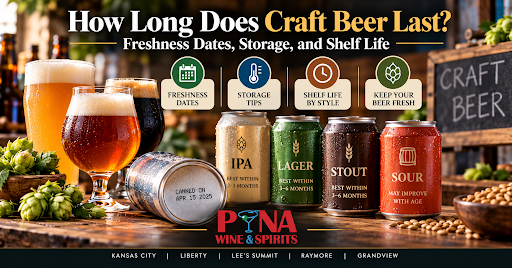
Most packaged craft beer is best enjoyed within several months of packaging, although the ideal freshness window varies considerably by style and producer. Hop-forward beers generally lose their vibrant aromas faster than many malt-focused styles, while certain strong beers may be suitable for extended aging.
The Cicerone Certification Program notes that refrigerated bottled and canned beer can remain fresh for up to approximately six months, although hoppy styles such as IPAs may show noticeable flavor changes in as little as three months. Beer stored at warmer temperatures can deteriorate significantly faster.
Craft Beer Shelf Life by Beer Style
| Craft beer style | Craft Beer Shelf Life | What to expect |
| Hazy IPA and New England IPA | Ideally within 1 to 3 months | Bright hop aromas fade relatively quickly |
| American IPA and Pale Ale | Often best within 2 to 3 months | Citrus, pine, and hop character may diminish |
| Pilsner and Light Lager | Commonly within 3 to 6 months | Crispness and delicate aromas can decline |
| Wheat Beer | Often within 3 to 6 months | Fresh fruit and yeast characteristics may fade |
| Amber Ale and Brown Ale | Often within 3 to 6 months | Malt flavors may gradually change |
| Standard Stout and Porter | Frequently within 3 to 6 months | Roasted flavors can lose definition |
| Imperial Stout and Barleywine | Several months to multiple years for suitable releases | Some develop additional complexity with aging |
These are general freshness-planning ranges, not guaranteed expiration dates. Brewery-provided guidance should take priority because recipe, alcohol strength, filtration, pasteurization, packaging quality, and storage conditions affect shelf life.
What Do Craft Beer Freshness Dates Mean, Craft Beer Shelf Life?
Understanding beer date codes is one of the easiest ways to make better purchasing decisions. Many craft breweries print packaging dates, best-by dates, or identification codes directly on their cans, bottles, or cartons.
A packaging date indicates when the beer was canned or bottled, while a best-by date represents the producer’s recommended quality window. Some breweries also use batch or lot codes that allow them to identify production details and trace individual releases.
The Brewers Association recommends clear date or lot coding as part of beer quality and traceability practices. Because every beer brand can have a different freshness window, these markings should be interpreted according to the brewery’s guidance rather than treated as universal expiration dates.
Packaging Date vs. Best-By Date
A beer packaged on August 1 and labeled best by November 1 has a manufacturer-recommended quality window of approximately three months. A different beer packaged on the same date might be intended to remain fresh for considerably longer.
The difference reflects the beer’s ingredients, stability, and production process. Hop-sensitive beers may require shorter freshness windows, while certain stronger styles can remain suitable for enjoyment over extended periods.
Does Craft Beer Actually Expire and what is Craft Beer Shelf Life?
Craft beer does not always become unsafe immediately after its best-by date, but its flavor can deteriorate substantially. Many properly sealed, commercially produced beers remain microbiologically stable because of their alcohol content, acidity, hops, and production conditions.
However, a best-by date is not a guarantee of safety, and aging can introduce undesirable flavors even when the package remains sealed. Poor storage, packaging defects, or contamination can create additional concerns that should not be ignored.
As beer ages, oxidation can reduce hop aromas and introduce flavors reminiscent of cardboard, honey, caramel, or stale bread. These characteristics may be particularly noticeable in beers originally designed around crispness and fresh hop expression.
Why IPAs and Hazy Craft Beers Lose Freshness Faster
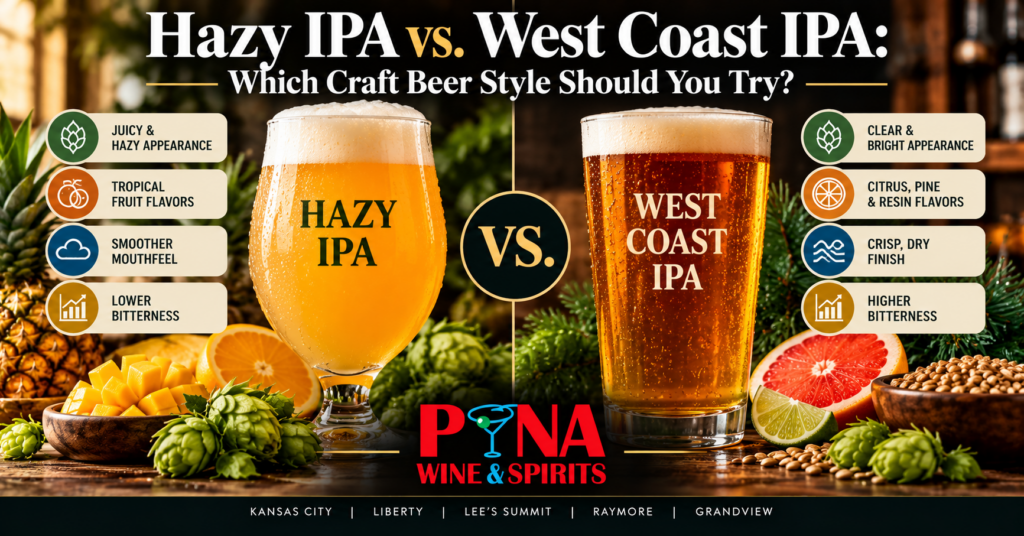
IPAs and hazy beers are particularly sensitive to time because much of their appeal comes from aromatic compounds associated with hops. These compounds contribute familiar notes of grapefruit, orange, pineapple, pine, and tropical fruit.
Over time, oxygen exposure and chemical changes can reduce these aromas, leaving the beer less expressive than the brewer intended. Hazy IPAs may also experience changes in appearance, mouthfeel, and flavor stability, depending on their ingredients and production methods.
For people who enjoy hop-forward craft beer, checking the canning date is especially valuable. Choosing a fresher package and keeping it refrigerated can help preserve the character that makes these styles distinctive.
Best Ways to Store Craft Beer at Home
Proper storage is one of the most important factors in preserving beer quality. Temperature, light exposure, and time all influence how quickly a beer develops stale flavors.
Keep Craft Beer Refrigerated
Refrigeration is generally the best storage method for most craft beers, especially hop-forward styles. A consistent refrigerator temperature around 35 to 40 degrees Fahrenheit can help slow chemical reactions responsible for aging and flavor deterioration.
The Cicerone Certification Program emphasizes that beer ages considerably faster when stored warm. Although moving beer from a refrigerator to ordinary room temperature and back does not automatically ruin it, prolonged warm storage can significantly reduce freshness.
Protect Beer From Direct Light
Light exposure can cause a chemical reaction involving hop compounds that produces an unpleasant aroma commonly described as skunky or lightstruck. This reaction can occur quickly when beer is exposed to sunlight or certain artificial lighting.
Aluminum cans provide excellent protection because they block light completely. Brown bottles offer better protection than clear or green glass, although keeping all beer away from direct light remains a sensible storage practice.
Store Beer Upright and Avoid Heat
For most commercially packaged craft beers, upright storage is a practical choice that minimizes unnecessary disturbance of sediment. It also makes it easier to read date codes and organize bottles or cans by freshness.
Avoid storing beer in hot garages, cars, or locations exposed to large temperature fluctuations. Heat can accelerate deterioration, particularly during Missouri summers when enclosed spaces can become significantly warmer than ordinary room temperature.
Does Canned Craft Beer Last Longer Than Bottled Beer?
Both cans and bottles can preserve craft beer effectively when properly filled, sealed, and stored. However, aluminum cans have some practical advantages because they completely block light and are generally effective barriers against oxygen entering an intact package.
Brown glass bottles also provide good protection, particularly when stored in a refrigerator or dark environment. Clear and green bottles offer less protection against light exposure, making storage conditions especially important.
Ultimately, packaging quality matters more than simply choosing cans over bottles. A fresh bottled beer stored correctly can taste better than an older canned beer exposed to prolonged heat.
How Long is Craft Beer Shelf Life and How Long it Lasts in Growlers and Crowlers?
Growlers and crowlers are popular options for bringing fresh draft beer home from local breweries. However, their shelf life is usually shorter than factory-sealed cans and bottles because the filling process may introduce oxygen and reduce carbonation.
The Cicerone Certification Program recommends enjoying beer packaged in growlers or crowlers within approximately three days, depending on filling practices and storage conditions. Keeping these containers refrigerated is essential for preserving quality.
Once opened, beer begins losing carbonation and experiencing additional oxygen exposure. For the best experience, enjoy freshly filled draft beer promptly rather than storing it for extended periods.
Can Some Craft Beers Improve With Age?
Although freshness is generally desirable, certain craft beer styles are designed to develop over time. Strong, malt-forward beers such as barleywines, some imperial stouts, and selected barrel-aged releases may undergo flavor changes that create additional complexity.
During suitable aging, intense flavors may become more integrated, while notes of dried fruit, caramel, and sherry-like characteristics can become more noticeable. However, aging is not guaranteed to improve quality, and even strong beer can deteriorate under unfavorable storage conditions.
When considering whether to age a specialty beer, review the brewery’s recommendations and maintain stable, cool storage conditions. Most everyday IPAs, pilsners, wheat beers, and standard craft ales are better enjoyed fresh rather than intentionally aged.
How Can You Tell If Craft Beer Has Gone Bad?
Recognizing signs of stale or spoiled beer can help prevent disappointing drinking experiences. Changes in aroma, flavor, carbonation, or appearance may indicate that the beer is no longer in its intended condition.
Common warning signs include:
- Cardboard-like aromas: Often associated with oxidation and prolonged storage.
- Faded hop flavors: Particularly noticeable in older IPAs and pale ales.
- Unexpected sourness: Potentially associated with contamination, unless sourness is part of the intended style.
- Skunky aromas: Frequently caused by exposure to damaging wavelengths of light.
- Unusual appearance or carbonation: May indicate stability problems, especially when accompanied by other unexpected changes.
Some flavors that seem unusual in one style are normal in another. A sour beer, for example, is intentionally acidic, while certain bottle-conditioned beers naturally contain yeast sediment.
A swollen, leaking, or damaged container should not be opened or consumed. When there is uncertainty about the beer’s condition, discarding it is the safest choice.
Why Freshness Matters for Missouri Craft Beer
Missouri craft beer offers an opportunity to explore regional brewing traditions and distinctive interpretations of familiar styles. Across Kansas City and surrounding communities, local breweries produce everything from refreshing lagers to hop-forward ales and seasonal specialty releases.
Choosing local beer can make it easier to explore recently packaged products, but locally produced beer is not automatically fresher. Distribution schedules, storage conditions, and retail inventory practices still determine how well a beer maintains its intended flavor.
When selecting Missouri craft beer, consider the style, packaging date, and brewery recommendations. Customers who enjoy experimenting with new releases may find that comparing freshness dates provides useful insight into how different beers develop over time.
Shop Craft Beer in Kansas City at Pina Wine & Spirits
At Pina Wine & Spirits, we believe enjoying quality craft beer starts with finding styles that match your preferences. Whether you’re interested in a crisp lager, a citrus-forward IPA, or a rich stout, understanding freshness helps you choose beer suited to your occasion.
Our stores offer craft beer, local beer, wine, whiskey, and premium spirits at competitive prices. Customers searching for a craft beer store near me can explore Pina Wine & Spirits locations throughout Kansas City, Liberty, Lee’s Summit, Raymore, Grandview, Odessa, Lake Lotawana, and Excelsior Springs.
Individual beer selections and packaging dates vary by location. If you’re searching for a particular Missouri craft beer or a recently packaged release, contact your preferred Pina store to inquire about availability.
Frequently Asked Questions About Craft Beer Shelf Life
How long does craft beer last in the refrigerator?
Many properly packaged craft beers can remain fresh for approximately three to six months when refrigerated. Hop-forward styles may experience noticeable flavor changes sooner, while certain stronger beers can maintain quality longer. Always check the brewery’s recommended freshness date.
Can you drink craft beer after its best-by date?
A beer past its best-by date is not automatically unsafe if it has remained properly sealed and stored. However, its flavor and aroma may have deteriorated, and damaged or suspicious packaging should be treated cautiously. The date primarily communicates the producer’s intended quality window.
Should craft beer always be refrigerated?
Refrigeration is recommended for preserving the freshness of most craft beers, particularly IPAs and other hop-forward styles. Consistent cool temperatures slow flavor deterioration and help protect the beer’s intended characteristics.
How long does an IPA stay fresh?
Many IPAs are best enjoyed within approximately two to three months of packaging, while particularly hop-sensitive hazy varieties may benefit from an even shorter window. The brewery’s own recommendations and storage conditions should guide your decision.
Does unopened craft beer go bad?
Unopened craft beer can become stale as flavor compounds change over time, even without visible packaging damage. Proper refrigeration helps slow these changes, but it cannot preserve fresh hop aromas indefinitely.
Enjoy Fresher Craft Beer With Pina Wine & Spirits
Understanding craft beer shelf life makes it easier to select, store, and enjoy beer at its intended quality. Freshness dates, beer style, storage temperature, and packaging all influence how a beer tastes, particularly when delicate hop aromas or crisp malt characteristics are important.
For most craft beers, the best approach is straightforward: check the packaging date, follow the brewery’s guidance, refrigerate whenever practical, and enjoy freshness-sensitive styles promptly. These simple habits can help you get more enjoyment from every bottle or can.
At Pina Wine & Spirits, we’re here to help Kansas City area customers explore craft beer, Missouri breweries, and a broad selection of beverages for everyday occasions and gatherings. Visit one of our stores or explore Pina Wine & Spirits to find your nearest location and discover more about our available craft beer selection.