Gin has become one of the most versatile spirits in the world of cocktails, offering flavors that range from traditional juniper and citrus to floral, herbal, and fruit-forward combinations. Whether you’re ordering a classic gin and tonic, preparing a martini, or exploring modern cocktail recipes, understanding the differences between gin styles can help you choose the right bottle.
One of the most common questions among gin enthusiasts is how London Dry gin vs. botanical gin compares in terms of flavor, ingredients, production, and cocktail possibilities. While both styles feature aromatic ingredients, their flavor profiles can be noticeably different. London Dry gin is typically associated with a crisp, juniper-forward character, while modern botanical-forward gins may emphasize citrus, flowers, herbs, or other distinctive ingredients.
At Pina Wine & Spirits, we believe exploring premium spirits should be approachable, informative, and enjoyable. Whether you’re a longtime gin enthusiast or discovering new spirits for cocktails, understanding these styles can make selecting your next bottle easier. This guide explains how London Dry gin compares with botanical-forward gin, what makes each distinctive, and how to choose the best option for your favorite cocktails.
What Is the Difference Between London Dry Gin and Botanical Gin?
The biggest difference between London Dry gin and what consumers often call botanical gin involves production standards, flavor emphasis, and how the spirit is marketed.
London Dry gin is a recognized production designation, with specific requirements under European regulations. Its characteristic botanical flavors must be introduced through distillation, and the finished spirit is subject to strict limits on sweetening and other additions. Although it can contain numerous botanicals, juniper is traditionally the dominant flavor.
Botanical gin, on the other hand, is generally a descriptive marketing term rather than a separate legally defined gin category. All gin uses botanicals, including London Dry gin. When producers describe their products as botanical-forward, they typically mean the spirit highlights a broader combination of herbs, flowers, fruits, spices, or other aromatic ingredients.
Under European gin standards, juniper must remain the predominant flavor, even when other botanicals contribute significantly to the overall experience.
London Dry Gin vs. Botanical Gin: Quick Comparison
| Feature | London Dry Gin | Botanical-Forward Gin |
| Classification | Defined production designation | General descriptive term |
| Typical flavor | Juniper, citrus, herbs, spice | Floral, citrus, herbal, fruit-forward |
| Juniper presence | Usually prominent | Can be subtle but remains essential |
| Sweetness | Strictly limited added sweetening | Depends on product and classification |
| Production | Botanical flavor introduced during distillation | Production methods vary |
| Cocktail uses | Martini, gin and tonic, Negroni | Gin and tonic, spritz, contemporary cocktails |
| Best suited for | Classic gin enthusiasts | Exploratory flavor preferences |
Understanding this distinction helps customers compare bottles based on meaningful production details rather than assuming every botanical-forward gin belongs to an entirely separate category.
What Is London Dry Gin?
London Dry gin is one of the most recognizable gin styles, known for its classic juniper character, clean structure, and versatility in traditional cocktails. Despite its name, London Dry gin does not have to be produced in London. The designation describes a production method and set of standards rather than a required geographic origin.
Traditional London Dry gin begins with agricultural alcohol that is distilled with natural botanicals. Juniper berries provide the defining character, while ingredients such as coriander seed, angelica root, citrus peel, and orris root may contribute additional complexity.
European regulations require the botanical flavor to come through distillation, prohibit coloring, and limit added sweetening to no more than 0.1 grams per liter of the finished spirit. These restrictions help explain why London Dry gin often has a crisp, dry profile.
What Does London Dry Gin Taste Like?
London Dry gin commonly delivers a pronounced juniper aroma accompanied by pine-like, citrus, herbal, and peppery characteristics. The exact balance varies among producers, with some emphasizing bright lemon and orange peel while others highlight coriander, roots, and warming spices.
Its relatively dry character makes it particularly suitable for cocktails where the gin needs to remain recognizable alongside other ingredients. Rather than relying on additional sweetness, London Dry gin often provides a structured botanical foundation that complements tonic water, vermouth, and citrus.
Well-known examples include Tanqueray London Dry Gin, Beefeater London Dry Gin, and Bombay Sapphire. Each offers a different balance of botanical aromas while maintaining recognizable classic gin characteristics.
What Is Botanical Gin?
Botanical gin generally describes gin that emphasizes distinctive plant-based ingredients beyond the traditional juniper-focused profile. These ingredients may include lavender, rose petals, hibiscus, cucumber, rosemary, citrus peel, cardamom, or other aromatic materials selected to create a particular flavor experience.
Unlike London Dry gin, the phrase botanical gin does not identify one standardized production process. Botanical-forward products can be distilled gins, contemporary dry gins, or even London Dry gins themselves. Their defining appeal is often the prominence of individual botanical combinations rather than adherence to one universal flavor profile.
In the United States, the Alcohol and Tobacco Tax and Trade Bureau defines gin by its use of juniper and other aromatics, with a minimum bottling strength of 80 proof. Production can involve several permitted methods, depending on the gin’s classification.
What Does Botanical Gin Taste Like?
Botanical-forward gin can offer a wider variety of perceived flavor combinations, including floral aromas, fresh citrus, garden herbs, and warm spices. Some expressions feature cucumber and rose, creating a refreshing character, while others emphasize grapefruit, lavender, or aromatic herbs.
The flavor profile depends on the botanicals selected and how they are incorporated during production. Floral ingredients may create delicate aromas, while spices such as cardamom or pepper can add depth and warmth. Citrus peels often provide freshness, making certain expressions particularly appealing in lighter cocktail recipes.
Examples of botanical-forward styles include Hendrick’s Gin, known for cucumber and rose characteristics, and The Botanist, which incorporates a broad selection of botanicals associated with the island of Islay.
These examples demonstrate the range available within premium gin without suggesting that botanical-forward spirits are automatically sweeter or more complex than traditional London Dry expressions.
How Botanicals Influence Gin Flavor
Botanicals are responsible for the aromas and flavors that distinguish gin from other neutral-based spirits. Although juniper provides the defining foundation, additional ingredients can dramatically influence how a gin smells, tastes, and performs in cocktails.
The interaction between botanicals matters as much as the individual ingredients. Citrus can brighten earthy flavors, while herbs and spices may provide depth that balances floral aromas. Producers carefully consider these combinations to create spirits with recognizable and consistent flavor profiles.
| Botanical | Common flavor contribution |
| Juniper berries | Pine, resin, herbal spice |
| Coriander seed | Citrus, pepper, warm spice |
| Angelica root | Earthy, herbal, woody |
| Lemon and orange peel | Bright citrus, freshness |
| Lavender | Floral, aromatic |
| Rosemary | Herbal, savory |
| Cardamom | Warm spice, eucalyptus-like notes |
| Cucumber | Fresh, green, cooling |
These ingredients do not necessarily produce identical flavors in every gin. Distillation methods, ingredient concentrations, alcohol strength, and botanical combinations can influence the final result.
London Dry Gin vs. Botanical Gin for Cocktails
Choosing the right gin for cocktails depends on how the spirit’s botanical characteristics interact with mixers, garnishes, and other ingredients. London Dry gin typically provides a pronounced juniper backbone, while botanical-forward expressions may emphasize more specific flavor combinations.
Neither style is universally better for cocktails. The goal is to select a gin that complements the drink rather than competing with its other ingredients.
Best Gin for a Classic Gin and Tonic
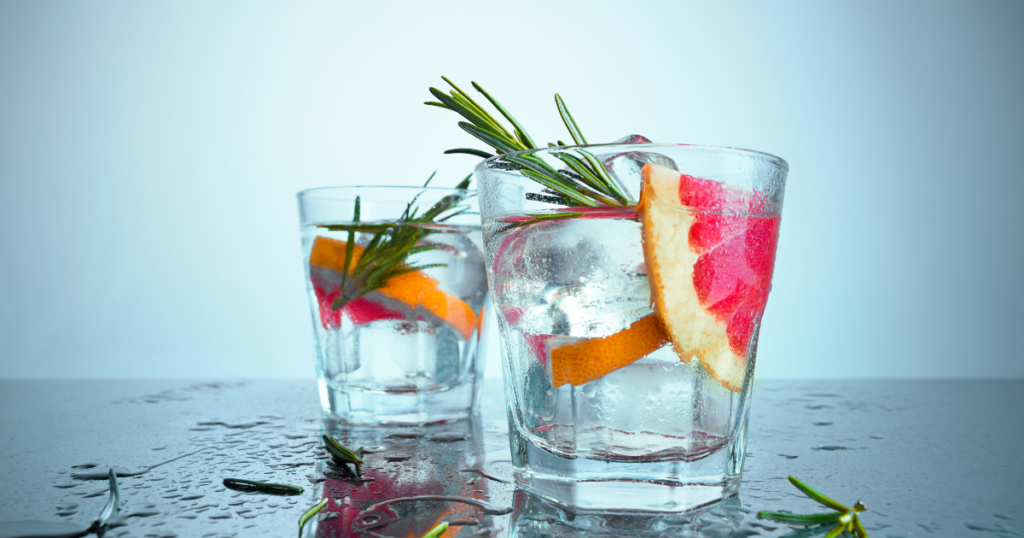
A traditional gin and tonic often works particularly well with London Dry gin because its juniper, citrus, and herbal characteristics balance tonic water’s bitterness. A lime or lemon garnish can reinforce the gin’s citrus notes without overwhelming its flavor.
Botanical-forward gin can create an equally interesting variation. Expressions featuring cucumber, floral ingredients, or citrus may complement different tonic styles and garnishes, allowing the drink’s character to change while retaining its recognizable foundation.
Best Gin for a Martini
A classic dry martini benefits from a gin with a recognizable structure and balanced botanical intensity. London Dry gin is a traditional choice because its juniper character remains apparent when combined with dry vermouth.
Botanical-forward expressions can produce martinis with more prominent floral, citrus, or herbal characteristics. However, heavily aromatic ingredients may compete with vermouth, making it important to select a gin that supports the intended cocktail profile.
Best Gin for a Negroni
The Negroni combines gin, sweet vermouth, and a bitter red aperitif, creating a cocktail with bold herbal and bittersweet characteristics. London Dry gin is a common choice because its juniper and spice notes can remain distinctive alongside these assertive ingredients.
Botanical-forward gin may introduce additional complexity, particularly when citrus or herbal ingredients complement the cocktail’s bitter components. Some delicate floral expressions can become less noticeable, so the intensity of the chosen gin matters.
How to Choose the Right Gin for Your Preferences
When comparing London Dry gin with botanical-forward gin, begin by considering the flavors you already enjoy. If you prefer traditional spirits with recognizable juniper, citrus, and herbal notes, London Dry gin may be a suitable starting point. If you’re interested in floral aromas, fresh herbs, or unusual botanical combinations, a contemporary gin may offer more variety.
Alcohol strength, ingredient information, and producer descriptions can also help narrow your choices. Two gins with similar botanical ingredients may taste different because of their proportions and distillation techniques. Paying attention to these details provides a more reliable selection method than relying exclusively on bottle design or price.
For customers exploring premium spirits, versatility is another important consideration. A classic London Dry gin can serve as a foundation for numerous established cocktails, while a distinctive botanical-forward expression may work especially well in drinks designed around its particular aromas.
Explore Premium Gin and Spirits in Kansas City at Pina Wine & Spirits
Finding the right spirits for cocktails starts with understanding what makes each bottle distinctive. At Pina Wine & Spirits, we offer customers a selection of gin, whiskey, vodka, tequila, wine, and other premium spirits across our Kansas City area locations.
Whether you’re preparing classic cocktails or exploring contemporary gin styles, our team can help you compare options according to flavor preferences, intended use, and budget. We believe choosing spirits should be straightforward, with helpful information that makes it easier to find something suited to your occasion.
Pina Wine & Spirits serves Kansas City, Liberty, Lee’s Summit, Raymore, Grandview, Lake Lotawana, Odessa, Excelsior Springs, and surrounding Missouri communities. Individual product availability varies by store, so contacting your preferred location is recommended when searching for a particular gin or specialty spirit.
Frequently Asked Questions About London Dry Gin vs. Botanical Gin
Is London Dry gin stronger than botanical gin?
Not necessarily. Alcohol strength varies between products and is not determined solely by whether a gin is London Dry or botanical-forward. In the United States, gin must be bottled at a minimum of 40% alcohol by volume, although individual products may have higher strengths.
Does London Dry gin have to be made in London?
No. London Dry identifies a recognized production style rather than a geographic requirement. Distilleries outside London can produce gin meeting the applicable London gin standards, provided they follow the relevant production and labeling requirements.
Is botanical gin sweeter than London Dry gin?
Botanical-forward gin is not automatically sweeter. Floral, citrus, and fruit aromas may create an impression of sweetness even when little or no sugar is added. Actual sweetness depends on the ingredients, production process, and finished product.
Can botanical gin be used in traditional cocktails?
Yes. Botanical-forward gin can be used in martinis, gin and tonics, Negronis, and many other cocktails. However, its distinctive flavors may change the drink’s balance, making ingredient selection especially important.
Which gin style is better for beginners?
Both styles can appeal to beginners depending on their flavor preferences. London Dry gin provides a useful introduction to traditional juniper-forward flavors, while botanical-forward expressions may appeal to people who enjoy floral, citrus, or herbal aromas. Comparing tasting notes is a practical way to identify a suitable option.
Discover Your Next Favorite Gin at Pina Wine & Spirits
Understanding London Dry gin vs. botanical gin makes it easier to appreciate the diversity of flavors available in modern gin production. London Dry offers a familiar combination of juniper, citrus, herbs, and spice, while botanical-forward expressions explore additional aromatic possibilities through carefully selected ingredients.
Both approaches have a place in a well-rounded spirits collection, particularly for people who enjoy experimenting with cocktail flavors. Learning how botanicals influence aroma, structure, and balance can help make every selection more informed.
At Pina Wine & Spirits, we’re here to help customers explore premium spirits with knowledgeable service and competitive pricing. Visit one of our Kansas City area locations or explore Pina Wine & Spirits to find a store near you and learn more about our wine and spirits selection.