Choosing wine for dinner should make the meal more enjoyable, not more complicated. Yet for many shoppers, standing in front of Cabernet Sauvignon, Pinot Noir, Chardonnay, Sauvignon Blanc, Riesling, sparkling wine, and rosé can turn a simple dinner decision into a guessing game.
This beginner-friendly wine pairing guide for Kansas City shoppers starts with a simple idea: you do not need to memorize dozens of rules to choose a good bottle. Learn a few basics about flavor, acidity, sweetness, body, and tannin, then match the wine to the strongest flavors on the plate.

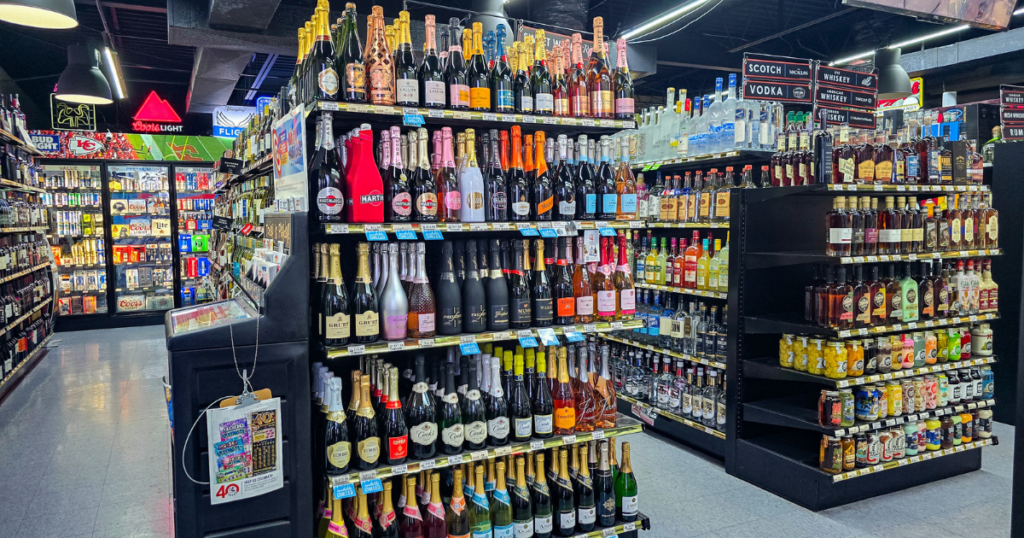
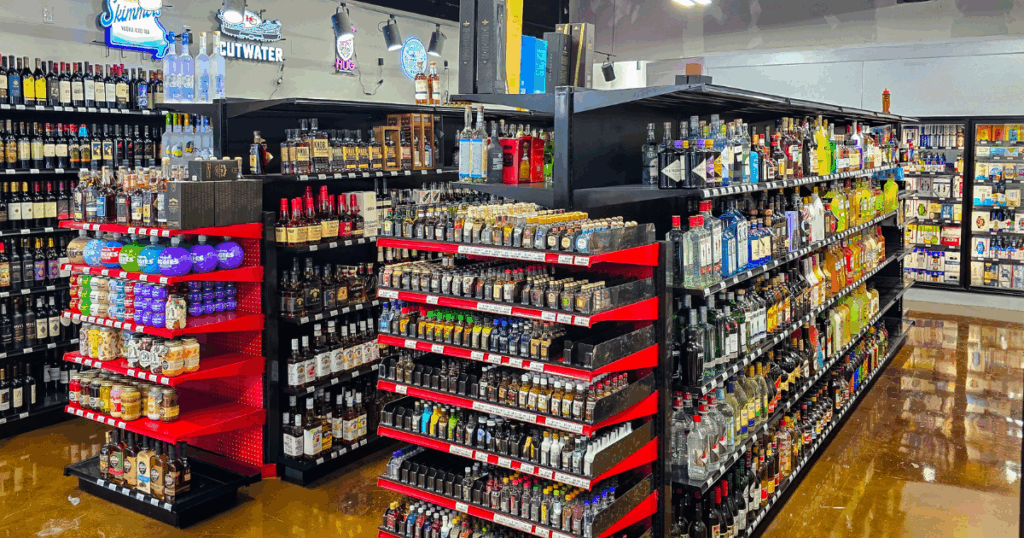
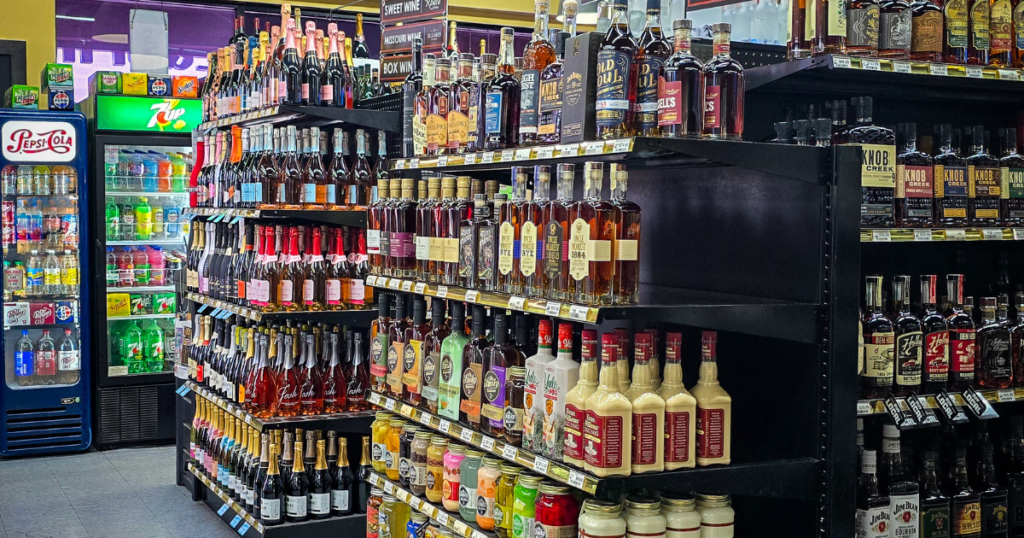
Pina Wine & Spirits has served Missouri customers since 2007 and offers a broad selection of wine, beer, and spirits at competitive prices. Whether you are planning date night, hosting friends, or preparing dinner, the goal is to find a wine that fits the food, occasion, and budget. Specific labels and vintages can vary by location.
Quick Answer: What Wine Goes With What Food?
For an easy starting point, pair lighter wines with lighter foods and fuller wines with richer foods. Sauvignon Blanc and Pinot Grigio work well with seafood, salads, and fresh flavors. Chardonnay is a versatile match for chicken, creamy dishes, and richer seafood. Pinot Noir pairs well with roasted chicken, mushrooms, pork, and salmon. Cabernet Sauvignon is a classic choice for steak and other rich red meats. Riesling works especially well with spicy foods, while sparkling wine can pair with everything from appetizers to fried foods.
These are guidelines, not strict rules. The best wine for dinner is ultimately one that complements the meal and tastes good to you.
Wine Pairing for Beginners: Five Simple Rules
1. Match the Weight of the Wine to the Food
Think about whether the meal feels light, medium, or rich. A delicate white fish can be overwhelmed by a powerful red wine, while a light white may disappear next to a heavily seasoned steak.
Lighter foods usually pair well with Pinot Grigio, Sauvignon Blanc, dry rosé, and lighter Pinot Noir. Richer dishes can stand up to Chardonnay, Cabernet Sauvignon, Syrah, Zinfandel, and fuller red blends.
2. Pair With the Sauce, Not Just the Protein
One of the most useful food and wine pairings tips is to focus on the sauce or seasoning. Grilled chicken with herbs may work beautifully with Sauvignon Blanc. Chicken in a creamy sauce may be better with Chardonnay. Chicken in a tomato-based dish may call for Sangiovese or another bright red.
When you are unsure, ask what flavor dominates each bite. That is usually the flavor your wine needs to complement.
3. Use Acidity to Balance Rich Foods
Acidity gives wine a crisp, refreshing quality. High-acid wines can cut through rich, salty, creamy, or fatty foods and keep the meal from feeling too heavy.
Sauvignon Blanc, sparkling wine, Riesling, Pinot Noir, Barbera, and Sangiovese are useful examples.
Sparkling wine is especially versatile. Its acidity and bubbles can pair well with appetizers, salty snacks, fried foods, seafood, and many casual meals.
4. Be Careful With Tannins and Spice
Tannins create the drying sensation found in many bold red wines, including Cabernet Sauvignon. They work especially well with protein and fat, which is why Cabernet and steak remain a familiar combination.
Very tannic wines can be less comfortable with spicy foods. Heat may make a powerful red seem hotter or more bitter. For spicy dishes, try a fruit-forward wine with less tannin or a slightly sweet Riesling.
5. When in Doubt, Choose a Versatile Wine
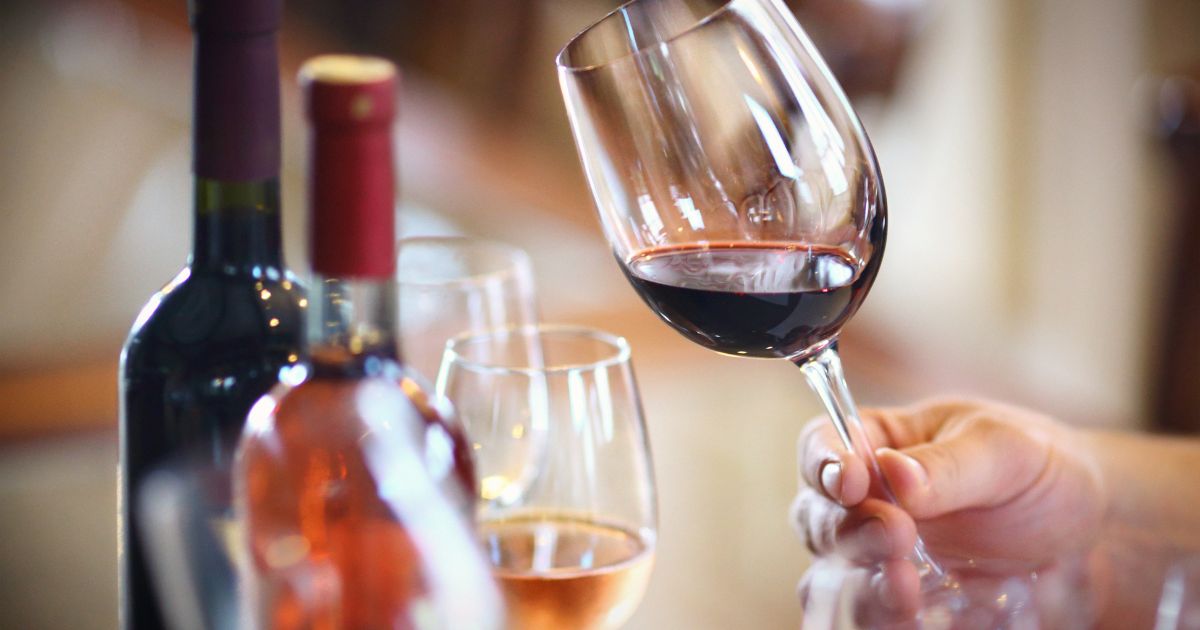
If you are serving several dishes, Pinot Noir, dry rosé, sparkling wine, or Sauvignon Blanc can be useful choices. These styles can bridge different flavors without overpowering the food.
Best Wine for Steak: Cabernet Sauvignon
If steak is the centerpiece, Cabernet Sauvignon is one of the easiest places to start.
Cabernet is typically full-bodied, with dark fruit flavors and noticeable tannin. Those tannins pair naturally with the richness of beef, especially ribeye, strip steak, grilled beef, and savory sauces.
Best Wine for Chicken: Chardonnay or Pinot Noir
Chicken is flexible because the cooking method matters more than the meat itself. For roasted chicken, Chardonnay is a reliable choice, particularly when butter, cream, or roasted flavors are part of the dish.
Sauvignon Blanc can be better for chicken prepared with lemon, herbs, vegetables, or lighter sauces. Prefer red? Pinot Noir works well with roasted or grilled chicken without overpowering it.
Best Wine for Seafood: Sauvignon Blanc, Pinot Grigio, or Chardonnay
For light seafood dishes, Sauvignon Blanc and Pinot Grigio are beginner-friendly choices. Their crisp character complements shrimp, white fish, shellfish, citrus, herbs, and lighter preparations.
Richer seafood gives you more options. Chardonnay can work well with lobster, crab, salmon, or fish served with butter or cream sauce.
Best Wine for Pasta and Pizza
The sauce matters most when pairing wine with pasta. For tomato sauce, look for reds with good acidity. Sangiovese, the grape associated with Chianti, is a classic example. Its acidity works well with tomato-based pasta, pizza, meatballs, and other Italian-inspired dishes.
Creamy pasta often works better with Chardonnay. Pesto can pair nicely with Sauvignon Blanc because its freshness complements basil and herbs.
Best Wine for Spicy Food: Riesling
Spicy food can make bold, high-alcohol, highly tannic reds feel even hotter. Riesling is one of the most useful wines for spicy dishes. A slightly off-dry style can soften heat while its acidity keeps the pairing refreshing. It can work well with Thai, Indian, Asian-inspired, and spicy fusion dishes.
For anyone learning wine pairing for beginners, this is a helpful rule: a little sweetness can work in your favor when the food brings significant heat.
Best Wine for Kansas City Barbecue
Kansas City barbecue deserves its own pairing strategy because smoke, spice, sweetness, fat, and sauce can all appear in the same bite.
For ribs or barbecue with a sweeter sauce, Zinfandel can be a strong match because of its ripe fruit character. Syrah or Shiraz works well with smoky meats and peppery seasoning. A fruit-forward red blend can also be approachable for a group.
The key is not choosing a wine simply because the protein is meat. With Kansas City barbecue, pay attention to smoke, sauce, spice, and sweetness.
Current Wine Trends Are Making Pairing more Flexible
Wine drinking is becoming less tied to rigid traditions. Current 2026 industry research shows younger legal-drinking-age consumers are more willing to experiment with wine styles and formats. Sparkling wine remains comparatively resilient, while interest in no-alcohol and lower-alcohol wine continues to grow.
Value matters too. Consumers are increasingly selective about when they spend more, making price, quality, and occasion important. A good wine shop in Kansas City should help you choose based on the meal and your budget.
That flexibility is useful for beginners. You do not have to save sparkling wine for celebrations or assume every steak requires the biggest red on the shelf. modern food and wine pairings are increasingly about personal preference, occasion, balance, and trying something new.
How to Shop for Wine at Pina Wine & Spirits
When visiting a wine shop, Kansas City shoppers can turn to for different occasions, make the process easier by arriving with three details: what you are eating, what flavors you usually enjoy, and approximately what you want to spend.
Pina Wine & Spirits is positioned as a knowledgeable, customer-friendly local retailer with a broad wine selection and multiple Missouri locations. Pina’s brand guidelines specifically emphasize helping customers choose wine based on quality, value, pairing needs, and the occasion rather than relying on overly technical language.
The company serves Kansas City and surrounding Missouri communities including Lee’s Summit, Liberty, Lake Lotawana, Raymore, Grandview, Odessa, and Excelsior Springs.
Because store inventory may differ, shoppers looking for a specific winery, vintage, varietal, or price point should contact their nearest location for current availability.
Frequently Asked Questions About Food and Wine Pairings
What is the easiest wine to pair with food?
Pinot Noir, dry rosé, Sauvignon Blanc, and sparkling wine are among the most versatile styles for beginners because they can complement a wide range of foods.
What red wine is best for dinner?
Cabernet Sauvignon works well with steak and rich beef dishes. Pinot Noir is more flexible with chicken, pork, salmon, mushrooms, and mixed menus. Sangiovese is a natural choice for tomato-based pasta and pizza.
Where can I buy wine for dinner in Kansas City?
Pina Wine & Spirits offers a broad selection of wine at multiple Missouri locations serving Kansas City and surrounding communities. Visit or contact your nearest Pina store for current availability and help choosing a bottle for your meal.
Find the Right Wine for Your Next Dinner at Pina Wine & Spirits
The most important lesson in any wine pairing guide for Kansas City beginners can use is that pairing should make dinner more enjoyable, not more intimidating.
Start with a few dependable ideas. Cabernet Sauvignon with steak. Sauvignon Blanc with lighter seafood. Chardonnay with creamy chicken or richer seafood. Pinot Noir with salmon, pork, mushrooms, or roasted chicken. Riesling with spicy food. Sangiovese with tomato-based pasta and pizza. Sparkling wine when you need a flexible bottle for appetizers, fried foods, or a celebration. Then experiment.
If you are searching for a wine shop in Kansas City, planning a dinner party, choosing wine for date night, or simply trying to understand food and wine pairings, visit your nearest Pina Wine & Spirits. Bring your menu, your preferences, and your budget, and use those details to find a bottle that fits the occasion.
Helpful resources: WSET food and wine pairing guidance.